
Share this news
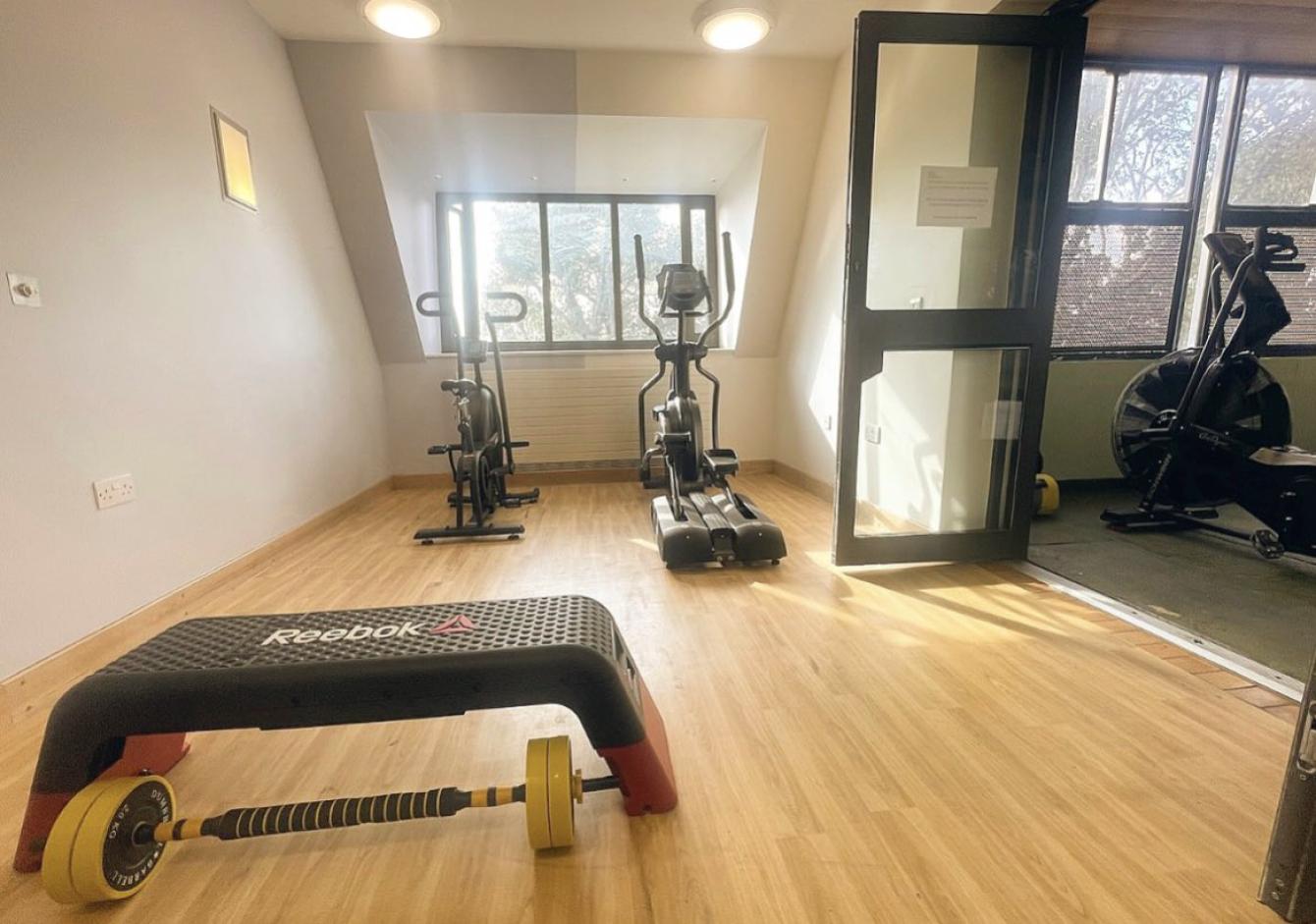
Gym spaces funded by CNWL NHS Health Charity within inpatient wards at CNWL’s St Charles Hospital Mental Health Centre are helping create more opportunities for movement, routine and recovery during people’s time on the ward.
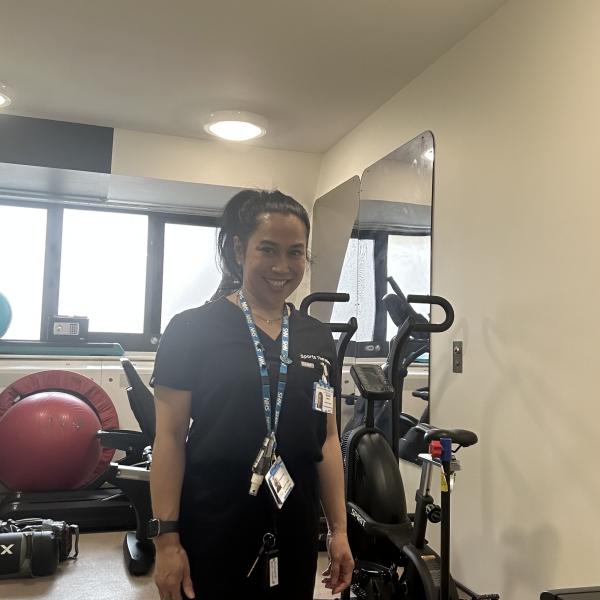
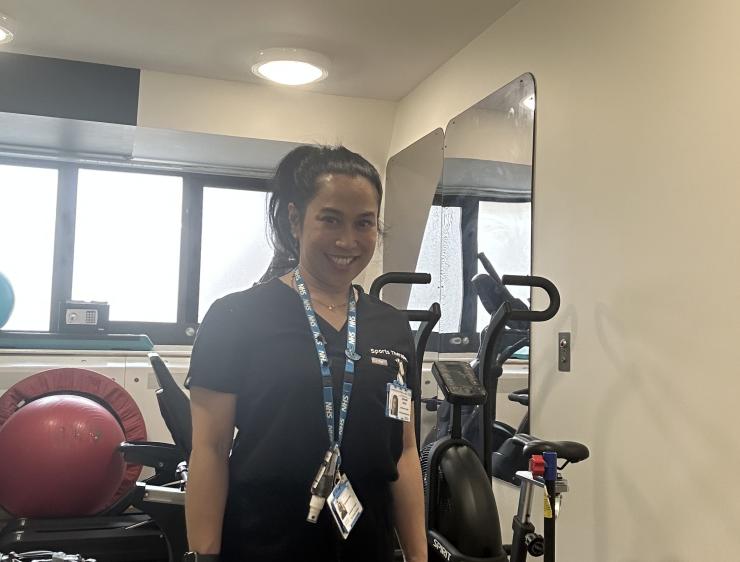
We spoke to Antonette, CNWL’s Lead Sports Therapist, about the role of physical activity in inpatient mental health care and the work she and fellow Sports Therapist, Vince, do across the ward gyms to support recovery and wellbeing.
Embedding movement into care
“My role as a Lead Sports Therapist within inpatient mental health services is to use physical activity as a therapeutic intervention to support both mental and physical wellbeing. It’s about more than delivering activities. It’s about embedding movement into every day ward as part of recovery-focused care alongside the wider multidisciplinary team.
Physical activity can support emotional regulation, confidence, motivation, social interaction and overall wellbeing, all of which are incredibly important within inpatient settings.”
Why ward gyms matter
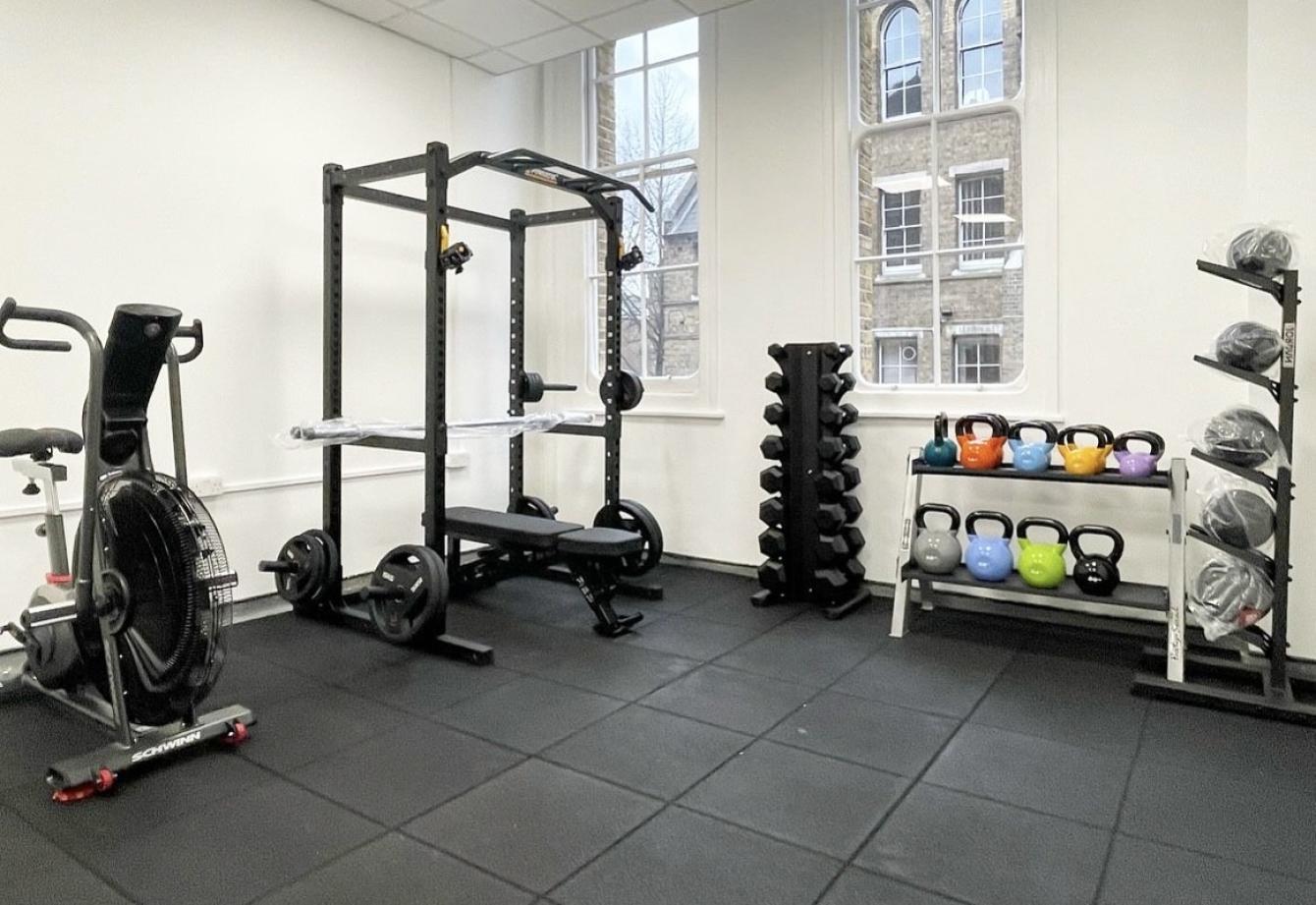
“Having gyms across the wards creates regular opportunities for therapeutic movement. The ward gyms funded by CNWL NHS Health Charity provide safe, structured spaces where service users can begin rebuilding confidence with exercise.
Having these facilities available across wards also helps reduce inequality of access and ensures all service users, regardless of ability or ward, can engage in movement suited to their individual needs.”
Building routine and confidence
“Movement and structured activity are especially important in inpatient settings. Many service users experience long periods of inactivity, isolation, anxiety, difficulty managing emotions or low confidence during inpatient stays. Regular gym sessions help provide routine, purpose and positive engagement throughout the day.
Sessions are adapted to each person’s ability and stage of recovery, and may include cardio, resistance training, mobility work or goal-based exercise programmes.
Before attending, service users receive clearance from consultants and doctors to ensure they are fit to exercise safely.
Once in the gym, the focus is on creating a calm and inclusive environment where people feel comfortable enough to take part voluntarily. Throughout the session, the focus remains on encouragement, achievement, routine, and positive interaction, finishing with a gradual cool down and reflection on progress.”
The impact on recovery
“Over time, I’ve seen clear positive changes in service users who engage consistently with physical activity. This often includes improvements in confidence, communication, emotional regulation and motivation.
Shared activity can also strengthen relationships between staff and service users, improving trust, morale and engagement across the wards.”
Preparing for life beyond the ward
“Having dedicated gym spaces within inpatient wards is extremely valuable. Without them, physical activity can become difficult to access, particularly for service users who are not yet able to use community facilities independently.
The ward gyms allow movement to become part of daily care rather than an occasional intervention, while the hospital’s Talking Therapies community gym supports the transition back into community life after discharge. Designed to reflect gyms people may use outside hospital, it can help reduce anxiety around returning to those environments.”
More than exercise
“I think it should be more widely understood that physical activity within mental health care is far more than exercise or fitness. When it’s consistently embedded into inpatient care, it becomes a therapeutic tool that supports recovery, wellbeing, inclusion, confidence and preparation for life beyond the ward.”
View more Impact

Share your story
Have you been supported by CNWL NHS Foundation Trust, taken part in a fundraiser, or benefited from one of our charity-funded projects? If so, we’d love to hear your story! Whether you’re a patient, staff member, or supporter, your experience could inspire others and show the powerful impact of our work.
Tell us about your story